
One of the things I enjoy about writing novels is how the nature of the challenge changes with each book. As I gain experience (maybe shed cluelessness is more accurate?), some of the mechanics of storytelling become a little easier, a little more instinctive. This frees up some brainpower to think more deeply about other aspects of the writing process.
With the third Silas Lopez manuscript, which I’m working on now, I'm seeing where I can get by with fewer words. Can I deliver the same richness of character and sense of atmosphere in a shorter chapter? Can I start the scene later, get out sooner? Can I establish the setting and tone with fewer words? Can one detail do two jobs? ‘He slumped into the chair’ puts him in the room and gives you a pretty good idea how he’s feeling.
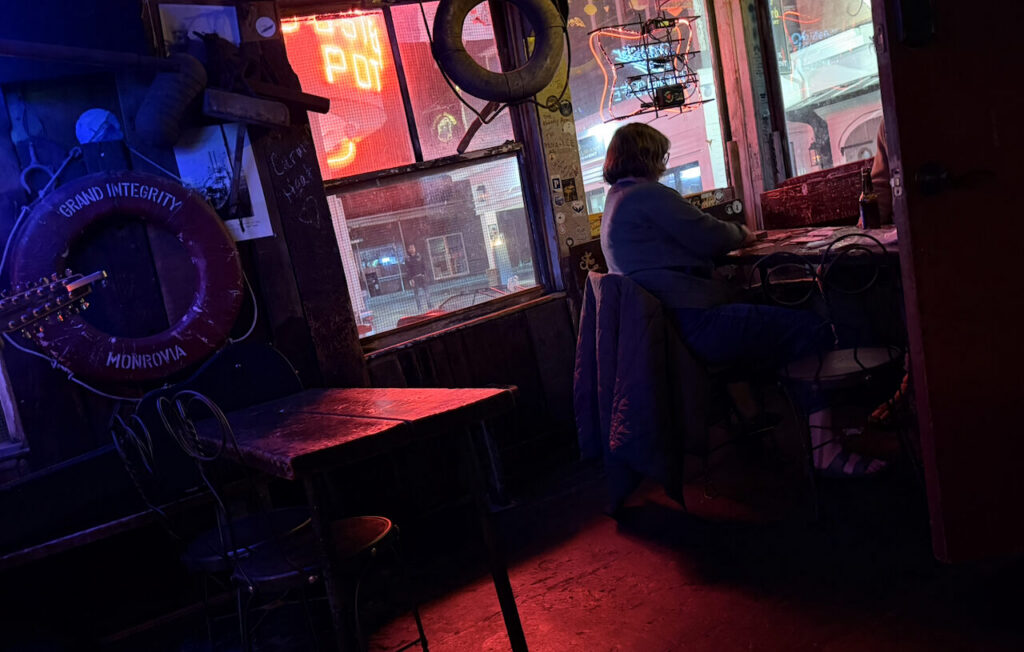
One of my writing heroes, Robert B. Parker, was so good at this. It's remarkable how completely he could put you in the moment with so few words.
A recent example? I needed Silas and his boss Flood to have a sensitive conversation. I skipped Silas telling Genny where he was going, calling Bandit, knocking on the door, waiting to be asked in. I started in the middle of the conversation, with Silas getting up to close Flood’s office door when things got delicate. It was fun to play around with that, though I hasten to add that fewer words don’t mean fewer minutes—messing around with that chapter took hours. What’s the old joke: “This letter would have been shorter if I’d had more time”?
What makes the exercise interesting is that tightness and good pacing aren't necessarily the same thing. A novel needs its quiet moments. A scene in which very little happens can be enormously rewarding for the reader, and I have no desire to sacrifice those moments. I want readers to linger in those scenes. I’m curious how many words it takes to make them want to.
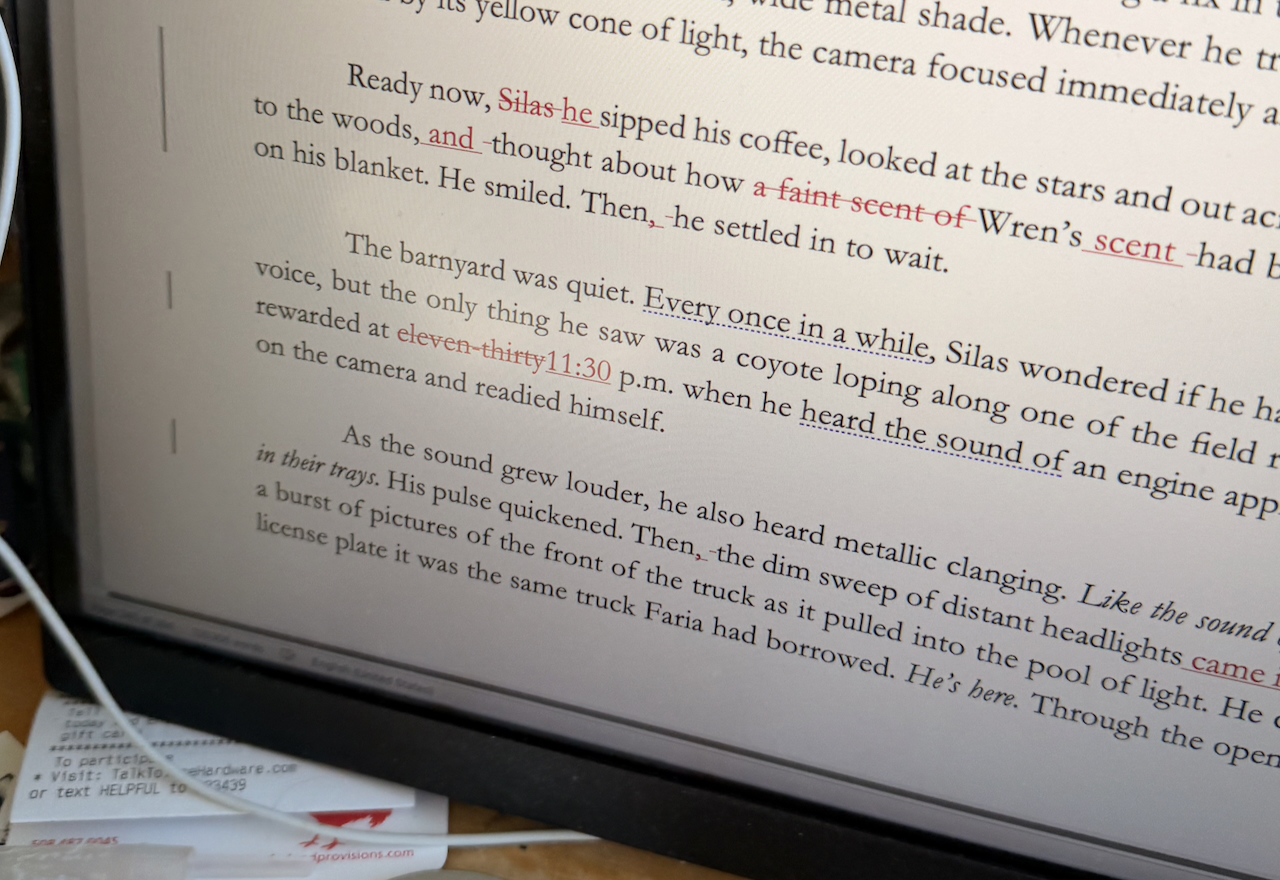
Writing a series rather than a stand-alone presents some interesting opportunities in this area. With each successive book, there is a growing body of shared knowledge between the writer and the returning reader. By book three, returning readers know Provincetown. They’ve been to the police station, the farm, and Wren’s cottage. I can get through those doors a little faster, as long as I make sure someone meeting Silas for the first time can come right in with him.
Much of the work of tightening a manuscript naturally happens during editing. What's interesting about consciously budgeting words during the first draft is the way it forces me to be more deliberate about the choices I make in telling the story.
Whether it makes for a better book remains to be seen—one can hope. But it’s making me more deliberate, which is interesting enough for now.
If you are interested in ordering The Washashore or The Holdfast you can find them at—or order them from— these local bookstores.
Or if you want the convenience and speed of online, but still want to support local bookstores, grab them through Bookshop.org
Reach Out to Me: Facebook Author Page | Say Hi on TikTok | Say Hi on Instagram
Or if you are an EBook or Online person: Kindle eBook | Kindle Unlimited | Amazon Paperback & Hardcover | B&N Paperback & Hardcover
Audiobooks can be found everywhere including: Audible | Spotify | Barnes & Noble | Google Play | Kobo | StoryTel
Leave a Review where it helps most with the algorithm: Review The Washashore on Amazon ; Review The Holdfast on Amazon