
The Six O'Clock Experiment.
It worked.
In last month's postcard I confessed . . .
[newsletter readers pick up here]
. . . that as the number of SKUs proliferated, the business of being an author was interfering with the actual writing. My proposed solution was an experiment: write before anything else. I started shuffling to the keyboard at 6 a.m. to pound away for ninety minutes (all Harry will allow before breakfast) before the world started making demands.
So far, it’s working spectacularly well. I am as relieved as I am surprised. And, with my sixtieth birthday just around the corner, a little amused that it took me this long to figure out how to operate my own brain. Or perhaps I’m being too hard on myself. Maybe the operating best practices change as you get older?
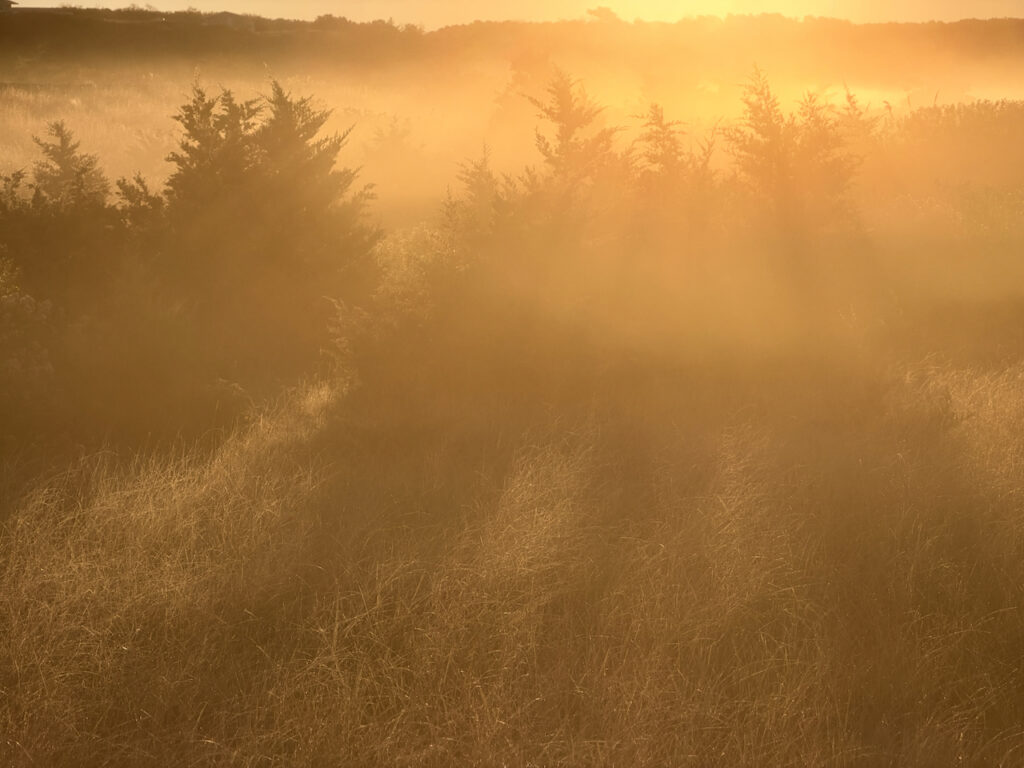
It’s been an adjustment for both me and the dogs, but they seem to be taking it in stride. With sunrise coming later and the coyotes active this time of year, there are practical advantages to setting out a little later. We still have the dunes to ourselves either way. Bedtime requires some discipline, but the shortening days help there, too. Something about an early sunset makes crawling into bed feel like a perfectly reasonable ambition.
The core insight is that writing fiction and managing the business of authorship are both mentally demanding, but in very different ways. If I dive into the minutiae first, the dozens of details, decisions, communications, and obligations fragment my attention. Even when I finish—or simply stop—they linger. By then, the idea of gathering all those scattered pieces of my attention and concentrating them on a single fictional world feels almost impossible.
But if I dive into the story first, something entirely different happens. I find that deep creative flow, and the story begins generating its own momentum, pulling me along like a strong current. Even after I stop, the dialogue, scenes, and characters keep running in the background. I find myself turning things over, making connections, and itching to get back to it.
Either way, the absorbing work I tackle first seems to set the agenda for the rest of my day. But the business work leaves it scattered into a hundred little pieces, while the creative work draws everything together. Creativity builds momentum, and momentum feeds creativity.
And boy, does it feel good to be writing again.
I’ve always said that a day writing is a day I get to hang out with Silas, and he’s still excellent company. So are the other characters. And this is a particularly enjoyable story to inhabit because it’s set in winter, a side of Provincetown few visitors get to experience. It’s a nice coincidence that the seasons in my fictional world and the real one are beginning to line up. (Apologies and greetings, southern hemisphere readers! I see your currencies popping up in my sales reports—you are not forgotten.)
Of course, all the work, frustration, and insecurity still come along for the ride. Writing a rough first draft means constantly reminding myself not to compare it to the tenth drafts of the previous books. I also spend an unreasonable amount of time trying to convince myself that the first two books weren’t flukes. Apparently, having a couple titles under your belt doesn’t inoculate you against impostor syndrome.
The business work hasn’t disappeared. Neither have the competing demands on my attention. But I’m no longer asking my creative brain to perform on command after exhausting it on everything else. I’ve discovered that I don’t need to protect the quiet all day. Just long enough to get into the story. Once I’m there, the story helps protect the quiet for me.
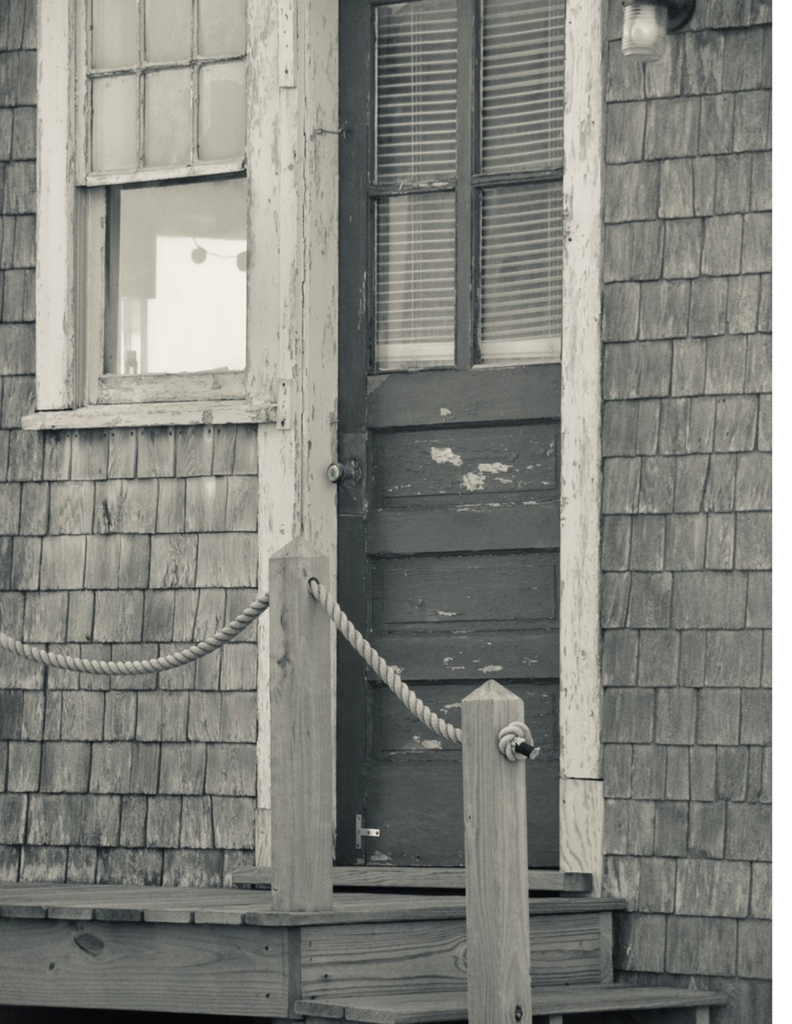
So here I am, days away from turning sixty, finally discovering a few of the operating instructions for the brain I’ve been using all these years. I may not have quite the stamina I once did, but apparently I can still learn a new trick or two.
I can’t help wondering what else is in that instruction manual.
But there is a cost. I need to keep working on book three. And it’s getting harder every day, not easier. The anxiety about it is building.
My first instinct was to look at the problem as a time-management question. How could I protect writing time? I am not blocked. I am not bored. I am not searching for an idea. I am just too buried to write.
So I think to myself, maybe I should protect the mornings, when I am fresh. Or maybe I alternate days: day one is admin, day two is creative, and so on.
But as I have been sitting with these ideas and trying to come up with a solution, a realization has crept up on me. It’s not just time. It’s mental fragmentation. Even if I blast through an entire day’s admin before noon and leave myself with a solid chunk of afternoon to write, I can’t do it.
It’s not just that I am fried. It’s that I am fragmented. The tasks may be finished, but they haven’t entirely left my head. It’s noisy in there with the echoes of fifteen things occupying little pieces of my attention. An email I’m waiting for. Something I will need to approve. A package that has to go out. An event detail waiting on someone else. A social post. An audiobook question. A flight. Something somebody needs from me tomorrow.
Fiction requires me to go somewhere else for a while. I have to hold a scene in my head, inhabit the characters, hear how they talk, notice what they’re noticing. That requires sustained attention of a completely different kind from answering twenty emails and making fifteen small decisions.
And after enough administrative work, I can’t simply flip the switch. By the time I am through, there are so many people talking in my head that Silas can’t get a word in edgewise—which, admittedly, was never his strong suit to begin with.
It’s got me worried. I am in a trap of my own making: my writing has started generating enough work to interfere with my writing.
I haven’t found the answer yet. I am figuring it out now, as I write this post instead of the next chapter. Maybe it is protected mornings, or alternating days. I don’t know.
But I have figured out enough to know that the objective has changed. I am not trying to protect writing time. I am trying to protect the state of mind that makes writing possible.
I’m trying to protect the quiet.
If you are interested in ordering The Washashore or The Holdfast you can find them at—or order it from— these local bookstores.
Or if you want the convenience and speed of online, but still want to support local bookstores, grab them through Bookshop.org
Reach Out to Me: Facebook Author Page | Say Hi on TikTok | Say Hi on Instagram
Or if you are an EBook or Online person: Kindle eBook | Kindle Unlimited | Amazon Paperback & Hardcover | B&N Paperback & Hardcover
Leave a Review where it helps most with the algorithm: Review The Washashore on Amazon Leave a Review where it also helps a lot: Review The Washashore on Goodreads