
An aspiring young writer asked me two terrific questions this week: What do you do when you’re bored with your own book? And how do you write a love story without letting it take over everything else?
I had some thoughts. But first, a little backstory about my unlikely pen pal.
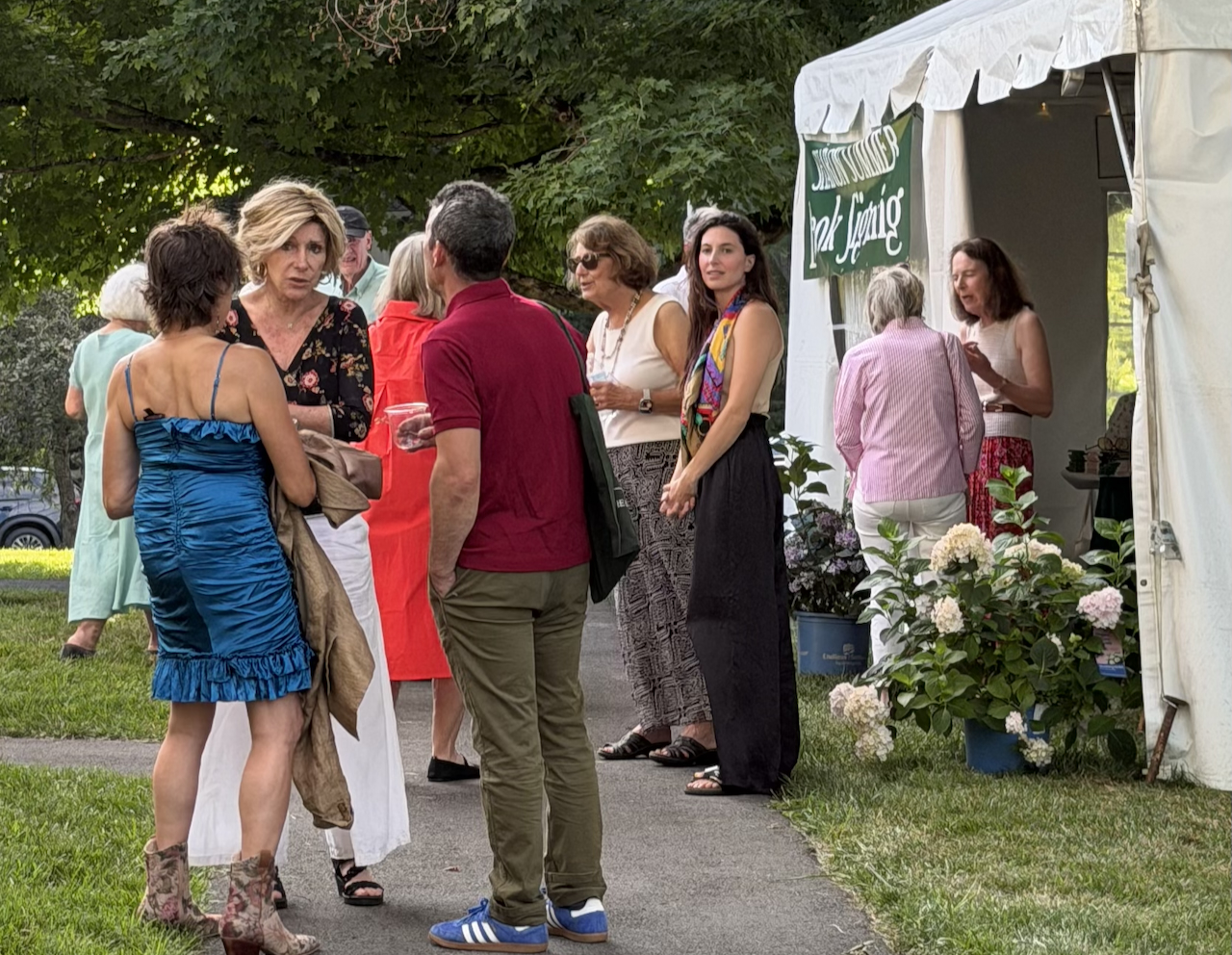
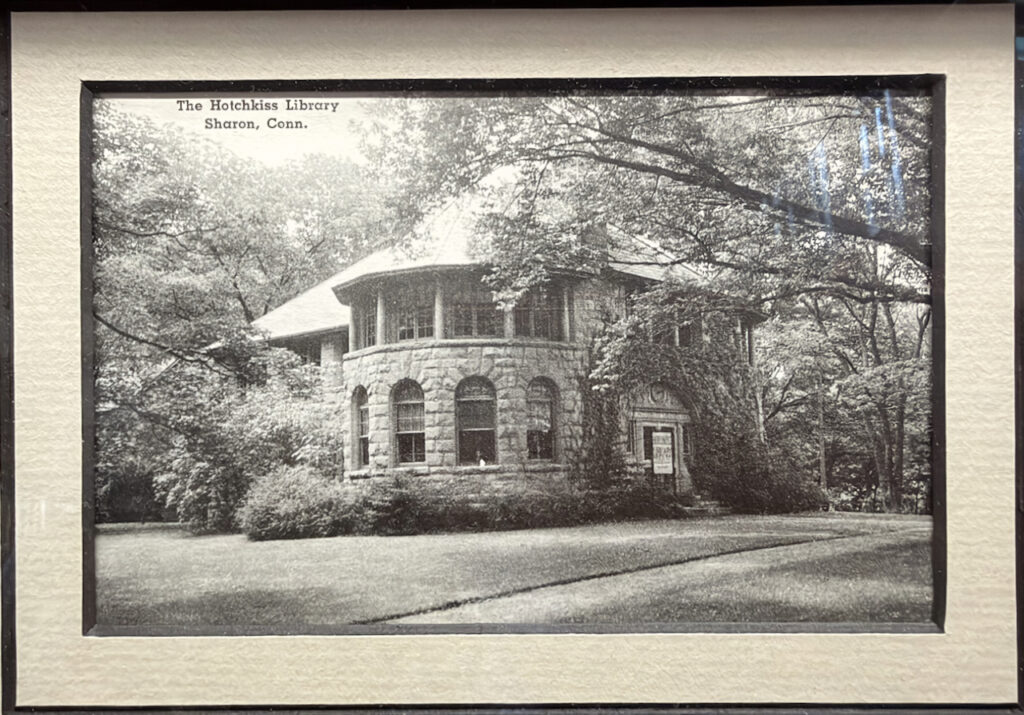
This summer I was invited to sign books and give a reading at the annual fundraiser for the hometown library my mother ran when my sisters and I were growing up (The Hotchkiss Library of Sharon, in Sharon CT). It was a wonderful event. I met some fascinating authors, including Jenny Jackson, Simon Winchester, and Hafeez Lakhani, and ran into all sorts of people I knew growing up, along with their children and grandchildren.
One of them was the granddaughter of a woman who drove my middle-school carpool. She introduced herself because she wants to be a writer, and we wound up having a great conversation about writing, growing up, and life in general. We agreed to stay in touch by email whenever she had questions.
Her latest note arrived this week. Here’s our exchange, lightly edited for clarity.
Q: Hello, this is JH again. I was just wondering, if you ever got bored of writing your book, what did you do? Also, how do you keep a love story in the book without letting it overtake the main theme?
A: Hello! Great to hear from you again.
Well, if you’re really bored with your book, your readers probably will be, too! That may mean your character’s quest—what they want, need, or fear—needs more urgency or importance, more obstacles, or both. What does your character want, and why should your reader care? Ideally, the reader relates to the character, cares about them, roots for them, or shares their goal (justice, love, catching the bad guy, revenge, whatever). They want to see how it all turns out.
But if the story is compelling it’s just a mild transient case of “I don’t feel like writing today,” That’s a different story, and writers seem to fall into two camps in terms of what to do about it. One says don’t force it: the writing won’t be any good, so take a break. Go for a walk (writers swear by walks to get the brain working) and come back later
The other camp says the only way to strengthen the writing muscle is to use it. So they set a manageable daily goal—say, 500 words—and stick to it. They swear it’s habit-forming, and that if you write 500 or 1,000 words every day, you’ll get more practiced and productive. Before you know it, you’ve got a book.
I think there’s merit to both approaches. As a young person building your skills, you might lean toward developing the habit. But the beauty of 500 words is that it’s not a burnout pace. There’s still plenty of time for a walk, a mental refresh, and some thought about what you’re really trying to say.
As for keeping a love story from overwhelming everything else, remember what I said before about a book being a braid of different arcs? An arc might trace a character’s growth, a relationship between two characters, a character’s relationship with a place, or the main quest. Every arc has a beginning state and an ending state. The backbone of the arc is the series of steps that takes us from one to the other.
So when I start a book, I think about where my love-story characters, Wren and Silas, are at the beginning, where I want them to be at the end, and what steps they need to go through to get there. Each step becomes a scene (and for me, most scenes are a chapter).
I plan the scenes for each arc separately. Imagine each arc as a string with knots along its length, each knot representing a scene. Then I braid those strings together into one storyline, arranging the scenes in a sequence that offers an interesting mix and good pacing.
For example, in book one, Silas and Wren started as strangers and ended up more or less as boyfriend and girlfriend. That happened across about 20 scenes, which I wove among the scenes about the mystery, the police department, the town, Silas’s boss, and everything else. No swamping!
Likewise, in book two, they went from dating to a serious, committed relationship, with some obstacles to overcome along the way. I planned those scenes and wove them in among the other storylines.
Does that make sense? Hope so! Talk to you soon.
I have no idea whether any of my advice will prove useful, but I’m having a terrific time with this correspondence. And there’s something pretty funny about the fact that, all these decades later, the granddaughter of someone who used to drive me to middle school is now asking me for writing advice. Life has a way of circling back on itself..
If you are interested in ordering The Washashore or The Holdfast you can find them at—or order it from— these local bookstores.
Or if you want the convenience and speed of online, but still want to support local bookstores, grab them through Bookshop.org
Reach Out to Me: Facebook Author Page | Say Hi on TikTok | Say Hi on Instagram
Or if you are an EBook or Online person: Kindle eBook | Kindle Unlimited | Amazon Paperback & Hardcover | B&N Paperback & Hardcover
Leave a Review where it helps most with the algorithm: Review The Washashore on Amazon Leave a Review where it also helps a lot: Review The Washashore on Goodreads